Como criar (e manter) o hábito de leitura de uma vez por todas
Você começa a ler com entusiasmo e para depois de uma semana. Conheça a ciência por trás da formação de hábitos e as estratégias práticas para finalmente fazer a leitura grudar.
Crie uma conta gratuita e continue exatamente desta página.
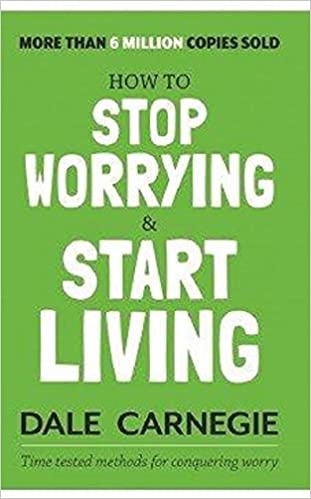
Carnegie says in the preface to How to Stop Worrying and Start Living that he wrote it because he "was one of the unhappiest lads in New York". He said that he made himself sick with worry because he hated his position in life, which he attributes to wanting to figure out how to stop worrying. The book's goal is to lead the reader to a more enjoyable and fulfilling life, helping them to become more aware of, not only themselves, but others around them. Carnegie tries to address the everyday nuances of living, in order to get the reader to focus on the more important aspects of life. It is now a world-famous, self-help book amongst many people.ABOUT THE AUTHOR:- Dale Breckenridge Carnegie was a well-known American writer and lecturer,as well as the developer of famous courses in self-improvement, salesmanship, corporate training, public speaking and interpersonal skills. He was the author of How to Win Friends and Influence People, first published in 1936, a massive bestseller that remains popular even today. He also wrote a biography of Abraham Lincoln, titled Lincoln the Unknown, as well as several other books.
Outros livros de Dale Carnegie
Livros na mesma categoria
Dicas e recomendações para leitores
Você começa a ler com entusiasmo e para depois de uma semana. Conheça a ciência por trás da formação de hábitos e as estratégias práticas para finalmente fazer a leitura grudar.
Uma meta de leitura bem definida aumenta drasticamente a chance de você ler mais. Aprenda a calcular uma meta realista, como acompanhá-la e o que fazer quando ficar para trás.
A filosofia parece intimidadora, mas suas perguntas são as mais humanas que existem. Uma seleção de livros que tornam o pensamento filosófico acessível, relevante e fascinante.
Para escolas, universidades, autores e editoras