
Caderno Lireo65
Educação
Educação
Como acompanhar a leitura dos alunos sem aplicar prova
A prova de livro é um termômetro ruim: só mede quem leu o resumo. Conheça métodos que avaliam a leitura de verdade e ainda aumentam o engajamento dos alunos.
Crie uma conta gratuita e continue exatamente desta página.
Crie uma conta gratuita e continue exatamente desta página.
Best known for her seminal novel Memoirs of Hadrian (1951), an imagined autobiography of the Roman emperor, Yourcenar brings the same depth of inquiry and inventive speculation to her lyric prose on art and artists in this newest title in the ekphrasis series. In these five jewel-like essays, Yourcenar meditates on the decay of time, the desire both satiated and refused by art, and the imagery animating the lives, works, and dreams of Michelangelo, Dürer, and Piranesi. And in an intimate mediation on the historical novel, Yourcenar describes her own encounters with how language and sound reveal the past. Together these exquisite essays explore that fundamental awe--perhaps even the terror--at the heart of an encounter with beauty. An introduction by John Knight sketches the life of this extraordinary writer, and situates Yourcenar's unique criticism within her attempt to capture the great struggle required to make an enduring work of art. Subtle and learned, Yourcenar's essays are like stepping stones into the past and the shadowy business of artistic creation. Bringing back into print Yourcenar's seminal essay "The Dark Brain of Piranesi" in the poet Richard Howard's elegant English translation, conducted in collaboration with the author, this volume also collects texts from That Mighty Sculptor, Time (1983) into a particularly focused volume.
Outros livros de Marguerite Yourcenar

Conto Azul e Outros Contos
Marguerite Yourcenar

Oeuvre Au Noir, L'
Marguerite Yourcenar

Mishima ou a Visão do Vazio
Marguerite Yourcenar

Contos Orientais
Marguerite Yourcenar

Mishima ou La Vision Du Vide
Marguerite Yourcenar

A Obra em Negro
Marguerite Yourcenar
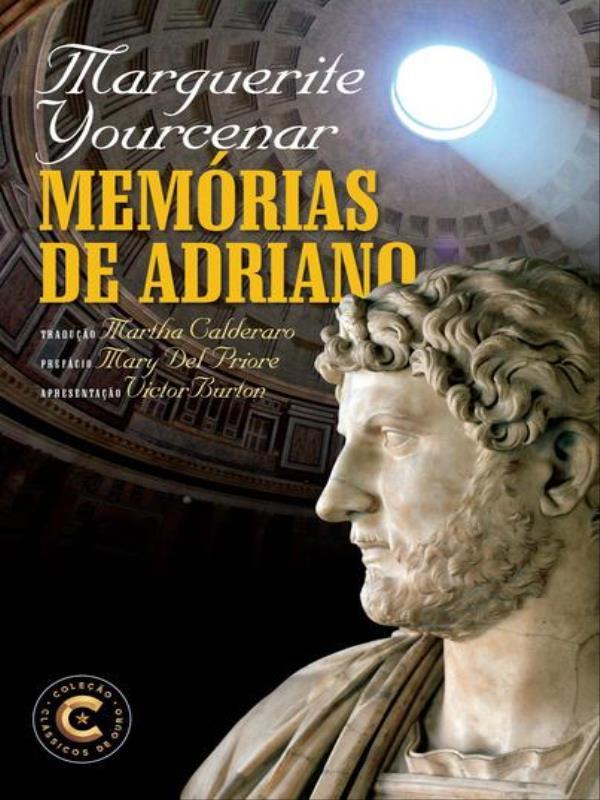
MemóRias de Adriano — Coleção CláSsicos de Ouro
Marguerite Yourcenar

Golpe de MisericóRdia
Marguerite Yourcenar

Le Pendant Des "MéMoires D'Hadrien" Et Leur Entier Contraire
Marguerite Yourcenar

Lettres à Ses Amis Et Quelques Autres
Marguerite Yourcenar

MéMoires D'Hadrien
Marguerite Yourcenar

Conte Bleu Suivi Du Premier Soir Et de MaléFice
Marguerite Yourcenar
Livros na mesma categoria

Papua New Guinea Prints
Melanie Eastburn
Centre de Pompidou, Le: Les Annees Beaubourg
Germain Viatte

Imagem e Persuasão
Giulio Carlo Argan

Metal, El
Jose Antonio Ares
Quiet Corners Of Paris
Jean-Christophe Napais
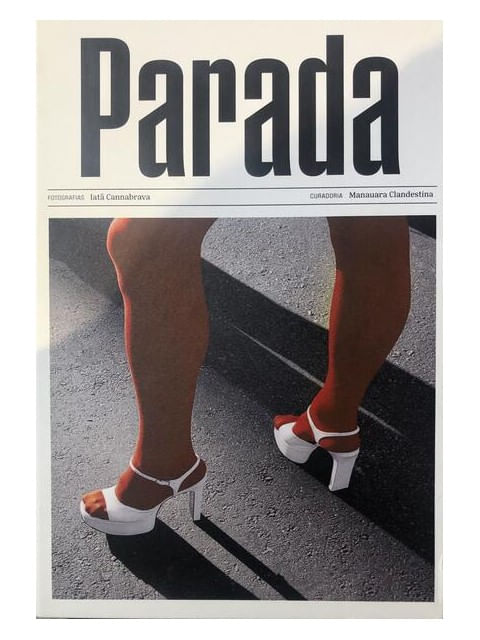
Parada
Educação EstéTica e CríTica de Arte na Obra de MáRio Pedrosa
Martha D´Angelo
Michelangelo
Eugene Delacroix

Richard Serra - Large Scale Prints
Adam D. Weinberg

Encounters: Travels And Money In The Byzantine World
Eurydice S. Georgantelli

Velasquez
Enriqueta Harris

As Vanguardas ArtíSticas
Mario de Micheli
Dicas e recomendações para leitores
A prova de livro é um termômetro ruim: só mede quem leu o resumo. Conheça métodos que avaliam a leitura de verdade e ainda aumentam o engajamento dos alunos.
Educação financeira deveria ser matéria escolar. Como não é, estes livros fazem o trabalho, do básico ao avançado, do orçamento doméstico ao mercado global.
Em um mundo de algoritmos e vídeos infinitos, criar um filho leitor parece missão impossível. Mas há estratégias simples e comprovadas para fazer os livros competirem, e ganharem.
Para escolas, universidades, autores e editoras