Os melhores livros sobre feminismo para todos os níveis de leitura
Do manifesto clássico ao ensaio contemporâneo, o feminismo tem uma biblioteca vasta e acessível. Uma seleção para quem quer entender o movimento que transformou o mundo.
Crie uma conta gratuita e continue exatamente desta página.
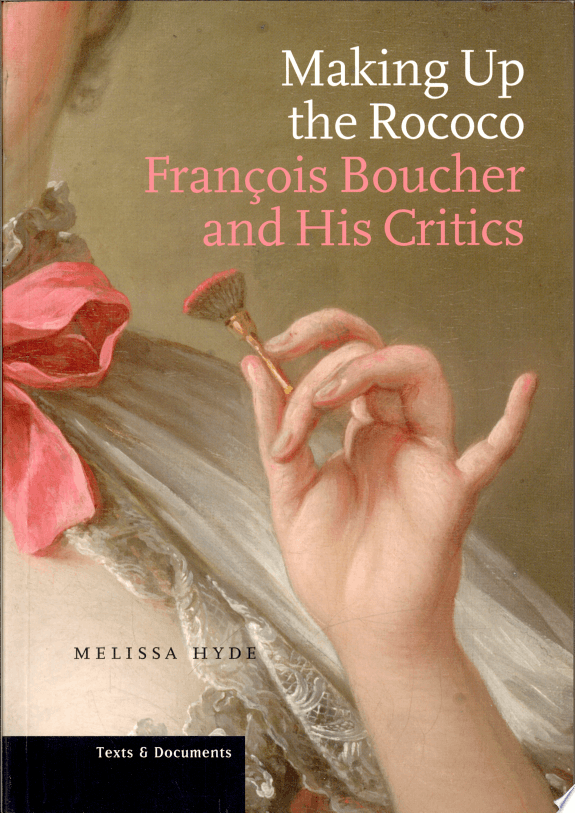
In 1761, Denis Diderot ascribed the fabulous success enjoyed by Francois Boucher (1703-1770) to "the libertinage, the brilliancy, the pompons, the bosoms and bottoms" that proliferated in the artist's canvases. For while Boucher's art charmed nouveau riche buyers and titled patrons, this was not always the case with critics, and modern scholarship has done little to challenge Diderot's eventual judgment that to admire Boucher's work is to be a stranger to "real taste, to the truth, to just ideas, and to the seriousness of art." This engaging study examines the motives behind the contemporaneous critical response to Boucher's picturesque repertoire of amorous peasants, blithe aristocrats, and fanciful mythological scenes, and to the rococo style in general. The vision of t rococo (feminine, aristocratic, decadent) and of Boucher (facile, libertine, debauched) that lingers in modern art history was invented by eighteenth-century critics bent on reform, both aesthetic and political. Exploring how the discrediting of Boucher and his school intersected with cultural debates about gender and class, this account of Boucher's art should persuade critics and admirers alike to take another, more considered look.
Livros na mesma categoria
Dicas e recomendações para leitores
Do manifesto clássico ao ensaio contemporâneo, o feminismo tem uma biblioteca vasta e acessível. Uma seleção para quem quer entender o movimento que transformou o mundo.
Alguns leitores tratam livros como relíquias intocáveis. Outros os marcam do início ao fim. Descubra qual abordagem maximiza o aprendizado e como criar um sistema de notas que realmente funciona.
Ambiente importa tanto quanto disciplina para criar o hábito de leitura. Pequenas mudanças no espaço físico aumentam drasticamente o tempo que você passa com livros nas mãos.
Para escolas, universidades, autores e editoras