




Livros essenciais para entender a história do Brasil
Para entender o Brasil de hoje, é preciso conhecer o Brasil de ontem. Uma seleção dos livros de história que mais iluminam nossas raízes, contradições e possibilidades.
Crie uma conta gratuita e continue exatamente desta página.
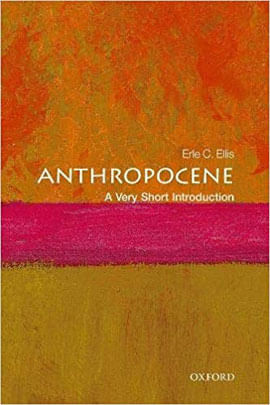
The proposal that the impact of humanity on the planet has left a distinct footprint, even on the scale of geological time, has recently gained much ground. Global climate change, shifting global cycles of the weather, widespread pollution, radioactive fallout, plastic accumulation, species invasions, the mass extinction of species - these are just some of the many indicators that we will leave a lasting record in rock, the scientific basis for recognizing new time intervals in Earth's history. The "Anthropocene," as the proposed new epoch has been named, is regularly in the news. Even with such robust evidence, the proposal to formally recognize our current time as the Anthropocene remains controversial both inside and outside the scholarly world, kindling intense debates. The reason is clear. The Anthropocene represents far more than just another interval of geologic time. Instead, the Anthropocene has emerged as a powerful new narrative, a concept through which age-old questions about the meaning of nature and even the nature of humanity are being revisited and radically revised. This Very Short Introduction explains the science behind the Anthropocene and the many proposals about when to mark its beginning: The nuclear tests of the 1950s? The beginnings of agriculture? The origins of humans as a species? Erle Ellis considers the many ways that the Anthropocene's "evolving paradigm" is reshaping the sciences, stimulating the humanities, and foregrounding the politics of life on a planet transformed by humans. The Anthropocene remains a work in progress. Is this the story of an unprecedented planetary disaster? Or of newfound wisdom and redemption? Ellis offers an insightful discussion of our role in shaping the planet, and how this will influence our future on many fronts.
Planeje no seu ritmo
Esta edição tem 208 páginas. Escolha uma meta diária possível e ajuste o plano conforme a leitura avançar.
Ritmo tranquilo
21 dias
10 páginas por dia
Ritmo constante
11 dias
20 páginas por dia
Ritmo intenso
7 dias
30 páginas por dia
Livros na mesma categoria
Sua vida de leitura
A Lireo é uma plataforma para organizar sua estante, registrar páginas e impressões, publicar resenhas e encontrar pessoas que estão lendo os mesmos livros.
Dicas e recomendações para leitores
Para entender o Brasil de hoje, é preciso conhecer o Brasil de ontem. Uma seleção dos livros de história que mais iluminam nossas raízes, contradições e possibilidades.
Da Jane Austen ao romance brasileiro contemporâneo, o gênero que mais vende e mais une pessoas ao redor de histórias de amor. Uma seleção para quem quer sentir tudo.
Romance histórico é o gênero que combina o prazer da ficção com a riqueza da história. Uma seleção dos melhores, do Egito Antigo à Segunda Guerra, para quem quer aprender enquanto se diverte.
Para escolas, universidades, autores e editoras