Filosofia para quem não é filósofo: os melhores livros para começar
A filosofia parece intimidadora, mas suas perguntas são as mais humanas que existem. Uma seleção de livros que tornam o pensamento filosófico acessível, relevante e fascinante.
Crie uma conta gratuita e continue exatamente desta página.
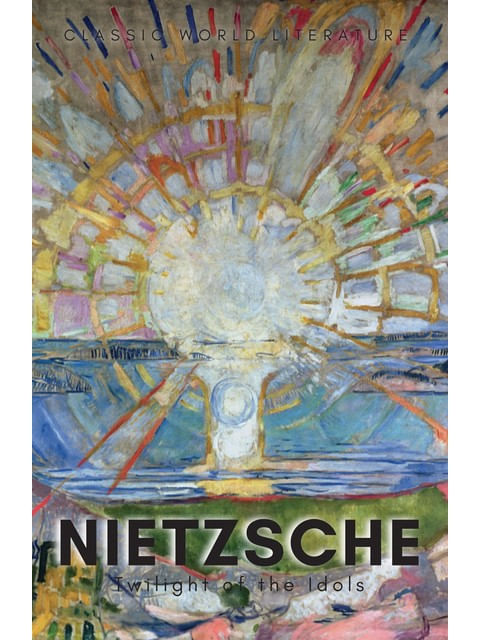
Translated by Antony M. Ludovici. With an Introduction by Ray Furness. The three works in this collection, all dating from Nietzsche's last lucid months, show him at his most stimulating and controversial: the portentous utterances of the prophet (together with the ill-defined figure of the Übermensch) are forsaken, as wit, exuberance and dazzling insights predominate, forcing the reader to face unpalatable insights and to rethink every commonly accepted 'truth'. Thinking with Nietzsche, in Jaspers' words, means holding one's own against him, and we are indeed refreshed and challenged by the vortex of his thoughts, by concepts which test and probe. In The Twilight of the Idols, The Antichrist, and Ecce Homo Nietzsche writes at breakneck speed of his provenance, his adversaries and his hopes for mankind; the books are largely epigrammatic and aphoristic, allowing this poet-philosopher to bewilder and fascinate us with their strangeness and their daring. He who fights with monsters, Nietzsche once told us, should look to it that he himself does not become one, and when you gaze long into an abyss, the abyss also gazes into you. Reader, beware.
Outros livros de Friedrich Nietzsche
Livros na mesma categoria
Dicas e recomendações para leitores
A filosofia parece intimidadora, mas suas perguntas são as mais humanas que existem. Uma seleção de livros que tornam o pensamento filosófico acessível, relevante e fascinante.
O aluno que lê por obrigação raramente vira leitor. Mas há formas de apresentar a leitura escolar que mudam essa equação. Veja o que a pesquisa diz e como professores estão fazendo diferente.
A guerra entre o papel e a tela não tem um vencedor único, depende do leitor e do contexto. Conheça os prós e contras de cada formato e como tirar o melhor dos dois.
Para escolas, universidades, autores e editoras