


Pular para o conteúdo
História e Geografia

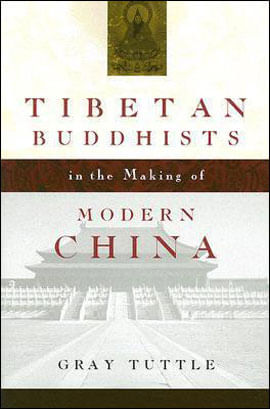
Tibetan Buddhists In The Making Of Modern China

1ª Edição - 2007352 páginasColumbia University Presspt
Seja o primeiro a avaliar
Sua leitura no Lireo

Guarde este livro na sua estante

Crie uma conta gratuita e continue exatamente desta página.

Registre seu progresso de leitura
Descubra outros leitores do mesmo livro
Participe de clubes de leitura
Organize toda sua biblioteca

Sinopse

Over the past century and with varying degrees of success, China has tried to integrate Tibet into the modern Chinese nation-state. In this groundbreaking work, Gray Tuttle reveals the surprising role Buddhism and Buddhist leaders played in the development of the modern Chinese state and in fostering relations between Tibet and China from the Republican period (1912-1949) to the early years of Communist rule. Beyond exploring interactions between Buddhists and politicians in Tibet and China, Tuttle offers new insights on the impact of modern ideas of nationalism, race, and religion in East Asia. After the fall of the Qing dynasty in 1911, the Chinese Nationalists, without the traditional religious authority of the Manchu Emperor, promoted nationalism and racial unity in an effort to win support among Tibetans. Once this failed, Chinese politicians appealed to a shared Buddhist heritage. This shift in policy reflected the late-nineteenth-century academic notion of Buddhism as a unified world religion, rather than a set of competing and diverse Asian religious practices. While Chinese politicians hoped to gain Tibetan loyalty through religion, the promotion of a shared Buddhist heritage allowed Chinese Buddhists and Tibetan political and religious leaders to pursue their goals. During the 1930s and 1940s, Tibetan Buddhist ideas and teachers enjoyed tremendous popularity within a broad spectrum of Chinese society and especially among marginalized Chinese Buddhists. Even when relationships between the elite leadership between the two nations broke down, religious and cultural connections remained strong. After the Communists seized control, they continued to exploit this link when exerting control over Tibet by force in the 1950s. And despite being an avowedly atheist regime, with the exception of the Cultural Revolution, the Chinese communist government has continued to recognize and support many elements of Tibetan religious, if not political, culture.

Detalhes do livro

Título
Tibetan Buddhists In The Making Of Modern China
Autor
Gray Tuttle
Editora
Columbia University Press
Ano
2026
Páginas
352 páginas
Idioma
PT
ISBN-13
9780231134477
Edição
1ª Edição - 2007
Formato
Paperback

História e Geografia

Livros na mesma categoria

Blog Lireo

Dicas e recomendações para leitores

Soluções institucionais

Para escolas, universidades, autores e editoras