





Por que alunos que leem mais vão melhor em todas as matérias
Não é intuição, é ciência: o hábito de leitura correlaciona com melhor desempenho em matemática, ciências e redação. Veja o que a pesquisa comprova e o que a escola pode fazer.
Confira edições, preço e disponibilidade na Amazon. Link de afiliado.
Crie uma conta gratuita e continue exatamente desta página.
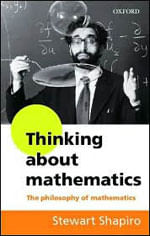
This unique text by Stewart Shapiro looks at a range of philosophical issues and positions concerning mathematics in four comprehensive sections. The first describes questions and issues about mathematics that have motivated philosophers almost since the beginning of intellectual history. Part II is an historical survey, discussing the role of mathematics in such thinkers as Plato, Aristotle, Kant, and Mill. The third section covers the three major positions, and battle lines, throughout the twentieth century: that mathematics is logic (logicism), that the essence of mathematics is the rule-governed manipulation of characters (formalism), and a revisionist philosophy that focuses on the mental activity of mathematics (intuitionism). Finally, Part IV looks at contemporary positions and work which brings the reader up-to-date on the discipline. Thinking about Mathematics is accessible to those with little background in either mathematics or philosophy. It is aimed at students and professionals in mathematics who have little contact with academic philosophy and at philosophy students and other philosophers who forgot much of their mathematics.
Planeje no seu ritmo
Esta edição tem 328 páginas. Escolha uma meta diária possível e ajuste o plano conforme a leitura avançar.
Ritmo tranquilo
33 dias
10 páginas por dia
Ritmo constante
17 dias
20 páginas por dia
Ritmo intenso
11 dias
30 páginas por dia
Outros livros de Stewart Shapiro
Livros na mesma categoria
Sua vida de leitura
A Lireo é uma plataforma para organizar sua estante, registrar páginas e impressões, publicar resenhas e encontrar pessoas que estão lendo os mesmos livros.
Dicas e recomendações para leitores
Não é intuição, é ciência: o hábito de leitura correlaciona com melhor desempenho em matemática, ciências e redação. Veja o que a pesquisa comprova e o que a escola pode fazer.
Ciência confirma: ler regularmente melhora a memória, reduz o estresse e aumenta a empatia. Veja o que a pesquisa diz e como incorporar a leitura na sua rotina.
Você começa a ler com entusiasmo e para depois de uma semana. Conheça a ciência por trás da formação de hábitos e as estratégias práticas para finalmente fazer a leitura grudar.
Para escolas, universidades, autores e editoras