
Caderno Lireo12
Hábitos
Hábitos
Parou de ler? Como retomar o hábito de leitura sem culpa
Todo leitor passa por períodos de seca. A diferença está em como você volta. Estratégias testadas para sair do bloqueio literário e reencontrar o prazer de ler.
Violence And Revolution In Twentieth-Century Eastern Europe
Crie uma conta gratuita e continue exatamente desta página.
Crie uma conta gratuita e continue exatamente desta página.
As the First World War ended, villages across central and eastern Europe rose in revolt. Led in many places by a shadowy movement of army deserters, peasants attacked those whom they blamed for wartime abuses and long years of exploitation--large estate owners, officials, and merchants, who were often Jewish. At the same time, peasants tried to realize their rural visions of a reborn society, establishing local self-government or attempting to influence the new states that were being built atop the wreckage of the Austro-Hungarian and Russian Empires. In The Last Peasant War, Jakub Benes presents the first comprehensive history of this dramatic and largely forgotten revolution and traces its impact on interwar politics and the course of the Second World War. Sweeping large portions of the countryside between the Alps and the Urals from 1917 to 1921, this peasant revolution had momentous aftereffects, especially among Slavic peoples in the former lands of the Austro-Hungarian Empire. It enabled an unprecedented expansion of agrarian politics in the interwar period and provided a script for rural resistance that was later revived to resist Nazi occupation and to challenge Communist rule in east central Europe. By shifting historical focus from well-studied cities to the often-neglected countryside, The Last Peasant War reveals how the movements and ambitions of peasant villagers profoundly shaped Europe's most calamitous decades.
Livros na mesma categoria

Mulheres em Cena
Carlos Dias
Mitologia Del Firmamento
Eratostenes
Bitter Victory
Carlo D'Este
Antologia Bilingue
Emily Dickinson
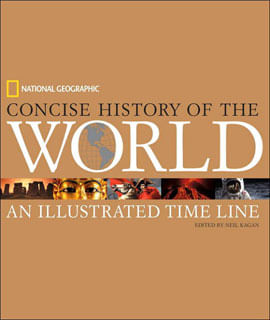
National Geographic Concise History Of The World - An Illustrated Time Line
Neil Kagan

Segredos do ImpéRio Inca
Felipe Boschetti
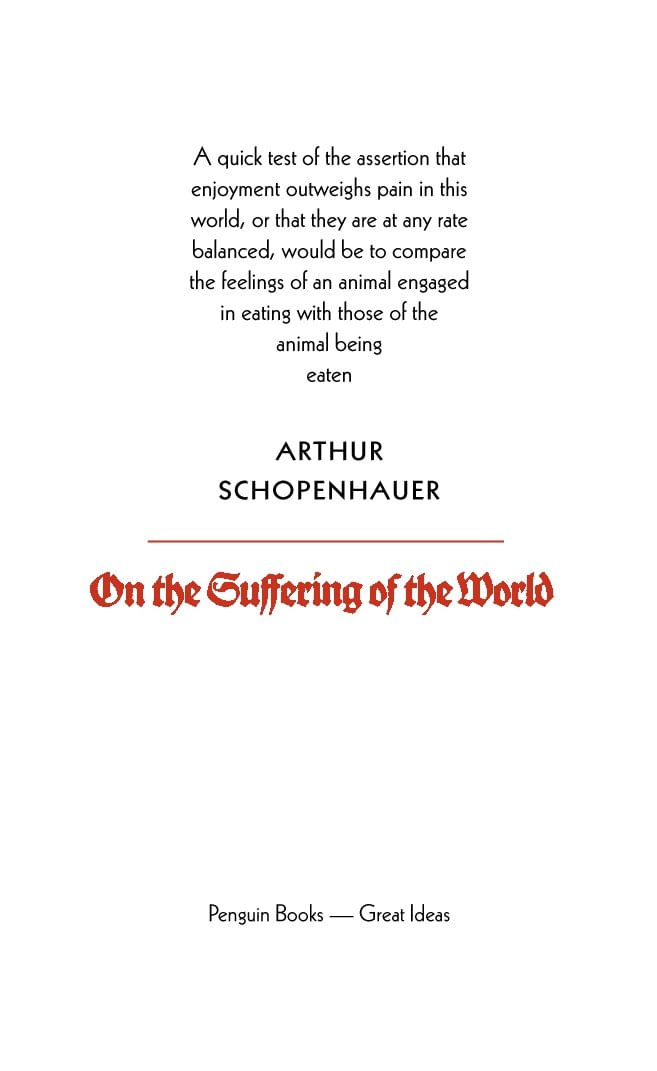
On The Suffering Of The World
Arthur Schopenhauer

Pos-Modernismo, Razao e Religiao
Ernest Gellner
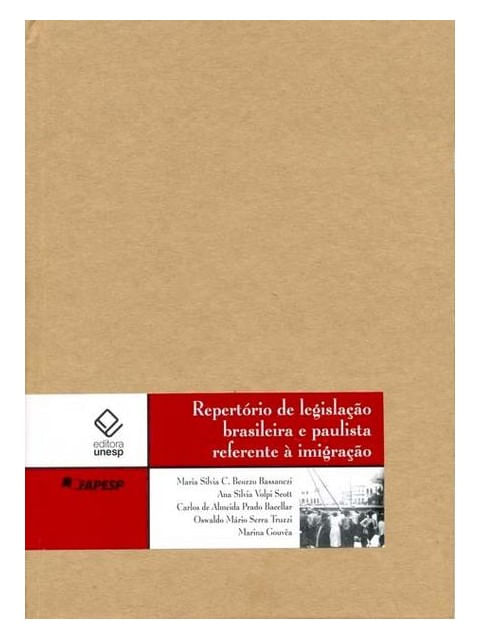
RepertóRio de Legislação Brasileira e Paulista Referente à Imigração
Oswaldo Mario Serra | Scott Ana Silvia Volpi | Bassanezi Maria Silvia C. Beozzo | Bacellar Carlos de Almeida Prado | Gouvea Marina Truzzi
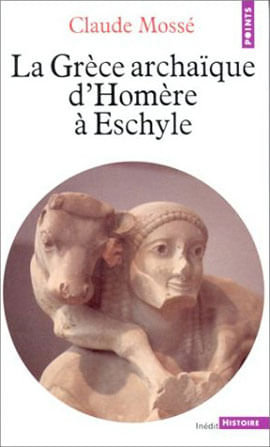
Grece Archaique D'Homere a Eschyle, La
Claude Mosse
Celia Y Sus Amigos
Autor Não Cadastrado

Atlas Del Antiguo Egipto
Dicas e recomendações para leitores
Todo leitor passa por períodos de seca. A diferença está em como você volta. Estratégias testadas para sair do bloqueio literário e reencontrar o prazer de ler.
A guerra entre o papel e a tela não tem um vencedor único, depende do leitor e do contexto. Conheça os prós e contras de cada formato e como tirar o melhor dos dois.
Leitura dinâmica não é mito, mas a maioria das técnicas vendidas por aí são. Veja o que realmente funciona para aumentar sua velocidade de leitura com base em ciência cognitiva.
Para escolas, universidades, autores e editoras