Livros essenciais para entender a história do Brasil
Para entender o Brasil de hoje, é preciso conhecer o Brasil de ontem. Uma seleção dos livros de história que mais iluminam nossas raízes, contradições e possibilidades.
Crie uma conta gratuita e continue exatamente desta página.
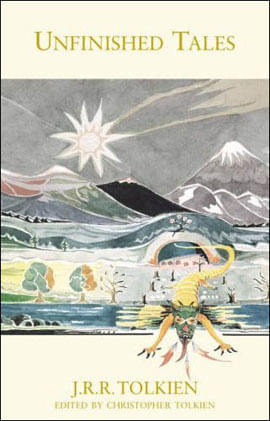
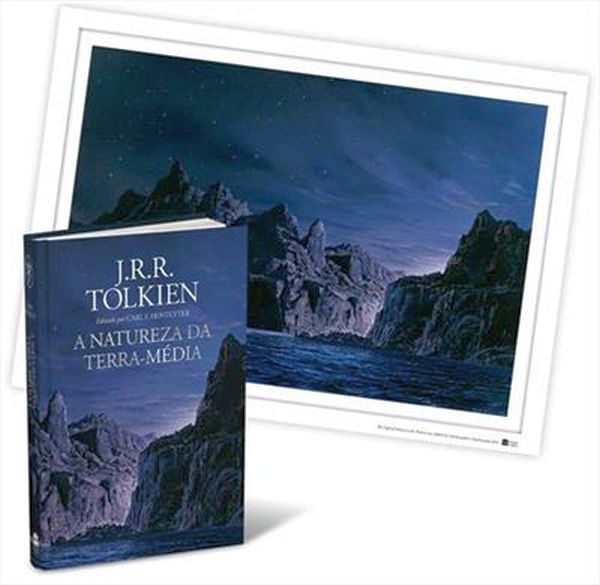
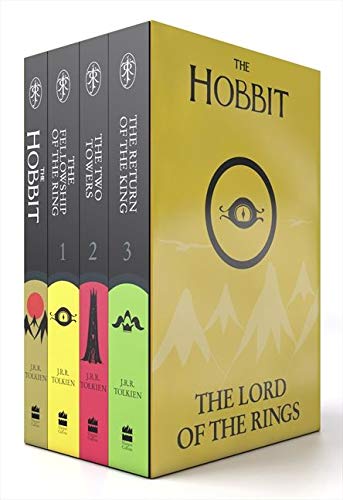
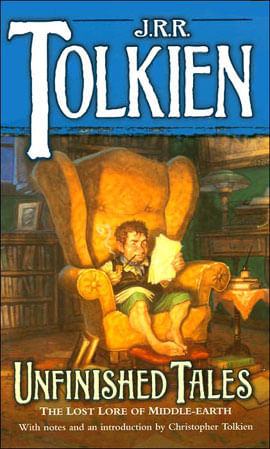
The extraordinary history of Middle-earth comes to life in this essential five-volume collection from the beloved author of The Hobbit and The Lord of the Rings. The History of Middle-earth chronicles the creation of the mythology, languages, and histories that form the foundation for Tolkien’s most beloved works—The Hobbit, The Lord of the Rings, and The Silmarillion. With painstaking documentation and analysis, Christopher Tolkien guides readers through his father’s legendarium. The Book of Lost Tales, Part One & Part Two collect the early myths and legends that led to the writing of Tolkien’s epic tale of war, The Silmarillion. The Lays of Beleriand includes two of Middle-earth’s most crucial stories—that of Tu´rin Turambar, a hero living under a ruinous family curse, and Lu´thien, an elven princess whose love for a mortal man is mirrored ages later in the romance of Arwen and Aragorn—and sheds light on the creation of Tolkien’s mythology. The Shaping of Middle-earth traces the development of Middle-earth’s earliest lore, from the sundering of the world to Beleriand and the events of The Silmarillion. The Lost Road and Other Writings chronicles the original destruction of Nu´menor and includes essays on the complex languages of Middle-earth along with an extensive account of Elvish vocabularies.
Outros livros de J. R. R. Tolkien
Livros na mesma categoria
Dicas e recomendações para leitores
Para entender o Brasil de hoje, é preciso conhecer o Brasil de ontem. Uma seleção dos livros de história que mais iluminam nossas raízes, contradições e possibilidades.
De 1984 a Jogos Vorazes, a ficção distópica é o gênero que mais acerta sobre o futuro. Uma análise de como esses livros moldaram o debate político e social.
A guerra entre o papel e a tela não tem um vencedor único, depende do leitor e do contexto. Conheça os prós e contras de cada formato e como tirar o melhor dos dois.
Para escolas, universidades, autores e editoras