Por que alunos que leem mais vão melhor em todas as matérias
Não é intuição, é ciência: o hábito de leitura correlaciona com melhor desempenho em matemática, ciências e redação. Veja o que a pesquisa comprova e o que a escola pode fazer.
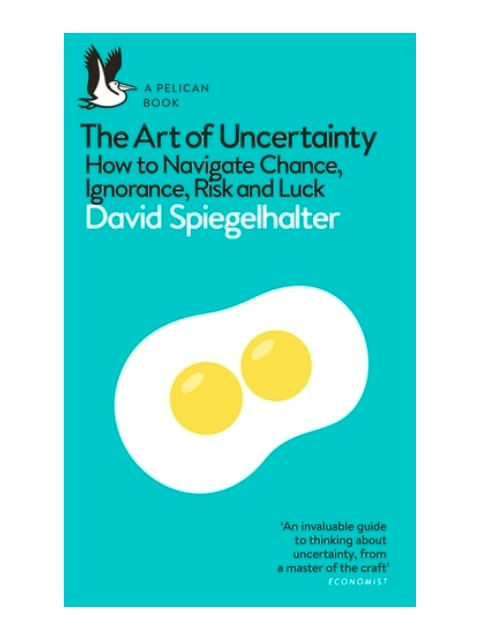
How To Navigate Chance, Ignorance, Risk And Luck
Crie uma conta gratuita e continue exatamente desta página.
We live in a world where uncertainty is inevitable. How should we deal with what we don’t know? And what role do chance, luck and coincidence play in our lives? David Spiegelhalter has spent his career dissecting data in order to understand risks and assess the chances of what might happen in the future. In The Art of Uncertainty, he gives readers a window onto how we can all do this better. In engaging, crystal-clear prose, he takes us through the principles of probability, showing how it can help us think more analytically about everything from medical advice to pandemics and climate change forecasts, and explores how we can update our beliefs about the future in the face of constantly changing experience. Along the way, he explains why roughly 40% of football results come down to luck rather than talent, how the National Risk Register assesses near-term risks to the United Kingdom, and why we can be so confident that two properly shuffled packs of cards have never, ever been in the exact same order. Drawing on a wide range of captivating real-world examples, this is an essential guide to navigating uncertainty while also having the humility to admit what we do not know.
Planeje no seu ritmo
Esta edição tem 512 páginas. Escolha uma meta diária possível e ajuste o plano conforme a leitura avançar.
Ritmo tranquilo
52 dias
10 páginas por dia
Ritmo constante
26 dias
20 páginas por dia
Ritmo intenso
18 dias
30 páginas por dia
Outros livros de David Spiegelhalter
Livros na mesma categoria
Sua vida de leitura
A Lireo é uma plataforma para organizar sua estante, registrar páginas e impressões, publicar resenhas e encontrar pessoas que estão lendo os mesmos livros.
Dicas e recomendações para leitores
Não é intuição, é ciência: o hábito de leitura correlaciona com melhor desempenho em matemática, ciências e redação. Veja o que a pesquisa comprova e o que a escola pode fazer.
Ciência confirma: ler regularmente melhora a memória, reduz o estresse e aumenta a empatia. Veja o que a pesquisa diz e como incorporar a leitura na sua rotina.
Você começa a ler com entusiasmo e para depois de uma semana. Conheça a ciência por trás da formação de hábitos e as estratégias práticas para finalmente fazer a leitura grudar.
Para escolas, universidades, autores e editoras