
Caderno Lireo65
Educação
Educação
Como acompanhar a leitura dos alunos sem aplicar prova
A prova de livro é um termômetro ruim: só mede quem leu o resumo. Conheça métodos que avaliam a leitura de verdade e ainda aumentam o engajamento dos alunos.
Crie uma conta gratuita e continue exatamente desta página.
Crie uma conta gratuita e continue exatamente desta página.
During three feverish weeks in 1922, Rainer Maria Rilke composed the 55 sonnets that constitute Sonnets to Orpheus. Inspired by the death of a friend's daughter, the poet felt that he was being compelled to write by the girl's ghost. At about the same time he also completed Duino Elegies, which he had begun ten years earlier. Intimately connected to the Sonnets in themes and sensibilities, the Elegies offer meditations on love, death, God, and life's meaning that express Rilke's irresolvable conflict between a longing for solitude and a painful loneliness. Although his poetry was recognized and admired by leading European artists, the Austro-Bohemian poet was virtually unknown during his lifetime, achieving international acclaim only with these final masterpieces. This edition presents translations by Jessie Lemont, praised by London's Times Literary Supplement for their presentation of Rilke as "a writer of short individual lyrics, often of incomparable, impressionist vividness, plastic vitality and symbolic suggestiveness."
Outros livros de Rainer Maria Rilke

Poemas
Rainer Maria Rilke

Historias do Bom Deus
Rainer Maria Rilke
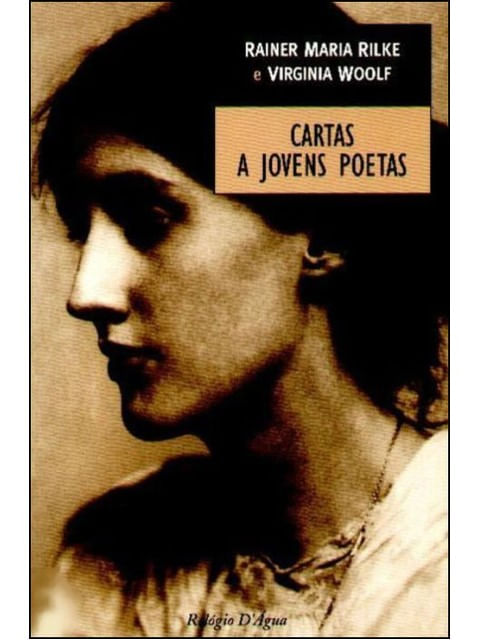
Cartas a Jovens Poetas
Rainer Maria Rilke
Cartas do Poeta sobre a Vida
Rainer Maria Rilke
Frutos e Apontamentos
Rainer Maria Rilke

O DiáRio de Florença
Rainer Maria Rilke
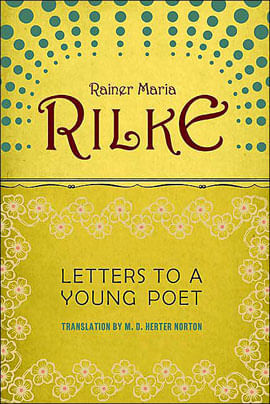
Letters To a Young Poet
Rainer Maria Rilke
Testamento, El
Rainer Maria Rilke

Possibility Of Being
Rainer Maria Rilke
Apuntes de Malte Laurids Brigge, Los
Rainer Maria Rilke
Cançao de Amor e de Morte do Porta-Estandarte, a
Rainer Maria Rilke
Momentos de Paixao
Rainer Maria Rilke
Livros na mesma categoria

CrôNicas do Não Tempo
Igor L. Frey

Gozos Y Las Sombras Vol.1, Los - El Senor Llega
Gonzalo Torrente Ballester

Siddhartha
Hermann Hesse

Saga Meu Mundo Surreal Iii
Lucas Martins

Nazarin
Benito Perez Galdos

Perna Esquerda de Paris
GonçAlo M. Tavares

Angel Guerra - Vol.1
Benito Perez Galdos

Pantera no porão
Amos Oz
Anthology Of Latin Prose,An
D.a.Russell
Cutting Edge - a Novel Of Suspense
Allison Brennan

Gente Pobre
FióDor DostoiéVski

Cabe LóTix
Wallace Tix
Dicas e recomendações para leitores
A prova de livro é um termômetro ruim: só mede quem leu o resumo. Conheça métodos que avaliam a leitura de verdade e ainda aumentam o engajamento dos alunos.
A crise climática é o desafio do século. Estes livros explicam o que está acontecendo, por que importa e o que pode ser feito, com ciência, urgência e esperança.
Os clubes de leitura online democratizaram o acesso à leitura em grupo. Saiba como encontrar o clube certo, como se preparar para as discussões e como a tecnologia está transformando a experiência.
Para escolas, universidades, autores e editoras