Poesia para quem nunca entendeu poesia: um guia sem pretensão
A maioria das pessoas acha que não entende poesia. Mas poesia não precisa ser entendida como uma equação, precisa ser sentida. Um guia honesto para quem quer dar uma chance ao gênero.
Crie uma conta gratuita e continue exatamente desta página.
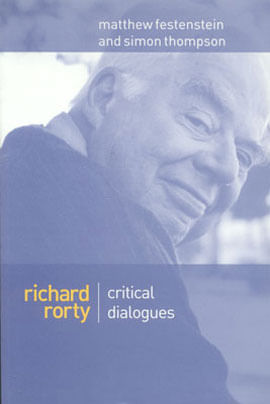
Richard Rorty is one of the most influential and provocative figures in contemporary intellectual life. He argues that many of philosophy's traditional concerns are redundant, and that the goal of inquiry should not be truth but human betterment. Inthis collection a distinguished team of scholars grapple with the implications of his writings for social and political thought. Avoiding mindless adulation or ritual denunciation, they offer careful but critical investigations of the meaning of Rorty's work for a range of important issues. Topics explored include anti-foundationalism; irony and commitment; justice; liberalism and utopianism; reason and aesthetics; humanism and anti-humanism; the Holocaust; the theory of international relations;social democracy and the pragmatist tradition. Each essay is followed by a reply written for this volume by Rorty. The volume also includes a substantial essay by Rorty on "Justice as a larger Loyalty". This volume is indispensable for any reader interested in Rorty's work, or in contemporary debates in social, political or ethical theory. Contributors include: Molly Cochran; Daniel Conway; Matthew Festenstein; Norman Geras; John Horton; David Owen; Richard Rorty; Kate Soper; Simon Thompson.
Livros na mesma categoria
Dicas e recomendações para leitores
A maioria das pessoas acha que não entende poesia. Mas poesia não precisa ser entendida como uma equação, precisa ser sentida. Um guia honesto para quem quer dar uma chance ao gênero.
Boa biografia não é cronologia de vida, é imersão numa mente. Uma seleção das biografias mais absurdamente envolventes, que você devora sem perceber que está aprendendo história.
A guerra entre o papel e a tela não tem um vencedor único, depende do leitor e do contexto. Conheça os prós e contras de cada formato e como tirar o melhor dos dois.
Para escolas, universidades, autores e editoras