
Como criar um ambiente de leitura em casa que convide (em vez de afastar)
Ambiente importa tanto quanto disciplina para criar o hábito de leitura. Pequenas mudanças no espaço físico aumentam drasticamente o tempo que você passa com livros nas mãos.
Crie uma conta gratuita e continue exatamente desta página.
A New York Times Book Review Editors’ Choice “Absorbing [and] astute . . . Cohen-Solal captures a facet of Picasso’s character long overlooked.” -Hamilton Cain, The Wall Street Journal “A beguiling read, as ingenious as it is ambitious . . . See Picasso and Paris shimmering with new light.” -Mark Braude, author of Kiki Man Ray: Art, Love, and Rivalry in 1920s Paris Born from her probing inquiry into Picasso’s odyssey in France, which inspired a museum exhibition of the same name, historian Annie-Cohen Solal’s Picasso the Foreigner presents a bold new understanding of the artist’s career and his relationship with the country he called home. Winner of the 2021 Prix Femina Essai Before Picasso became Picasso-the iconic artist now celebrated as one of France’s leading figures-he was constantly surveilled by the French police. Amid political tensions in the spring of 1901, he was flagged as an anarchist by the security services-the first of many entries in an extensive case file. Though he soon emerged as the leader of the cubist avant-garde, and became increasingly wealthy as his reputation grew worldwide, Picasso’s art was largely excluded from public collections in France for the next four decades. The genius who conceived Guernica in 1937 as a visceral statement against fascism was even denied French citizenship three years later, on the eve of the Nazi occupation. In a country where the police and the conservative Académie des Beaux-Arts represented two major pillars of the establishment at the time, Picasso faced a triple stigma-as a foreigner, a political radical, and an avant-garde artist.
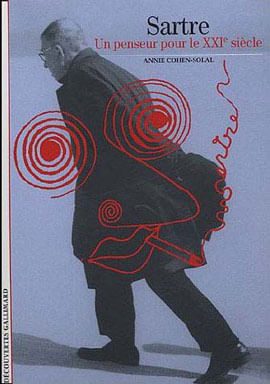
Outros livros de Annie Cohen-Solal
Livros na mesma categoria
Dicas e recomendações para leitores
Ambiente importa tanto quanto disciplina para criar o hábito de leitura. Pequenas mudanças no espaço físico aumentam drasticamente o tempo que você passa com livros nas mãos.
Criatividade não é dom, é prática. Os melhores livros sobre o tema desmontam o mito do gênio solitário e mostram como qualquer pessoa pode desenvolver e nutrir sua capacidade criativa.
Clássicos intimidam. Linguagem difícil, contexto histórico distante, narrativa lenta. Mas há estratégias que tornam essa leitura não só suportável, mas prazerosa. Guia prático para iniciantes.
Para escolas, universidades, autores e editoras