Filosofia para quem não é filósofo: os melhores livros para começar
A filosofia parece intimidadora, mas suas perguntas são as mais humanas que existem. Uma seleção de livros que tornam o pensamento filosófico acessível, relevante e fascinante.
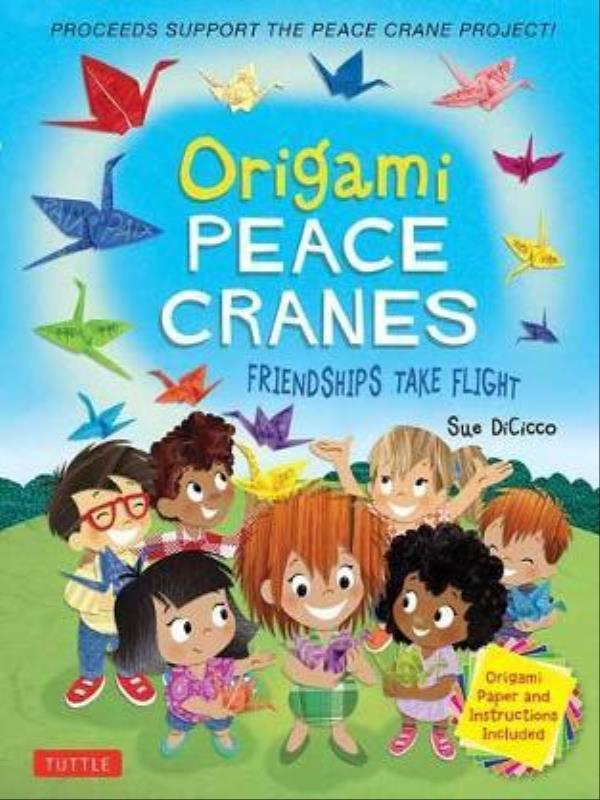
Includes Origami Paper & Instructions (Proceeds Support The Peace Crane Project)
Crie uma conta gratuita e continue exatamente desta página.
Origami Peace Cranes is a multicultural children's book about the capacity for friendship in all of us, and the power of small, but meaningful actions. When Emma moves to a new town, she's afraid she'll never make friends. She tries her hardest to make a good impression on her new classmates. Through a paper crane origami project, her classmates show her that they really want to get to know her. Later, when a new family moves into her neighborhood, Emma has a great idea how to make them feel welcome! Filled with fun pictures and ideas, this story addresses the anxiety that comes with new beginnings and introduces kids to moving, making new friends, and starting at a new school. This book also includes: Step-by-step instructions for making a paper crane; 12 sheets of origami paper, so that kids can make their own cranes to share! Proceeds support the Peace Crane Project-originally created for the United Nations International Day of Peace, it aims to expand students' understanding of and appreciation for other cultures, people and countries.with more entries, but these are aimed at students rather than general users.
Outros livros de Sue Dicicco
Livros na mesma categoria
Dicas e recomendações para leitores
A filosofia parece intimidadora, mas suas perguntas são as mais humanas que existem. Uma seleção de livros que tornam o pensamento filosófico acessível, relevante e fascinante.
O aluno que lê por obrigação raramente vira leitor. Mas há formas de apresentar a leitura escolar que mudam essa equação. Veja o que a pesquisa diz e como professores estão fazendo diferente.
A guerra entre o papel e a tela não tem um vencedor único, depende do leitor e do contexto. Conheça os prós e contras de cada formato e como tirar o melhor dos dois.
Para escolas, universidades, autores e editoras