Como a leitura pode acelerar sua carreira profissional
CEOs leem em média 60 livros por ano. Coincidência? A leitura desenvolve habilidades que nenhum curso online consegue: pensamento crítico, empatia e comunicação.
Crie uma conta gratuita e continue exatamente desta página.
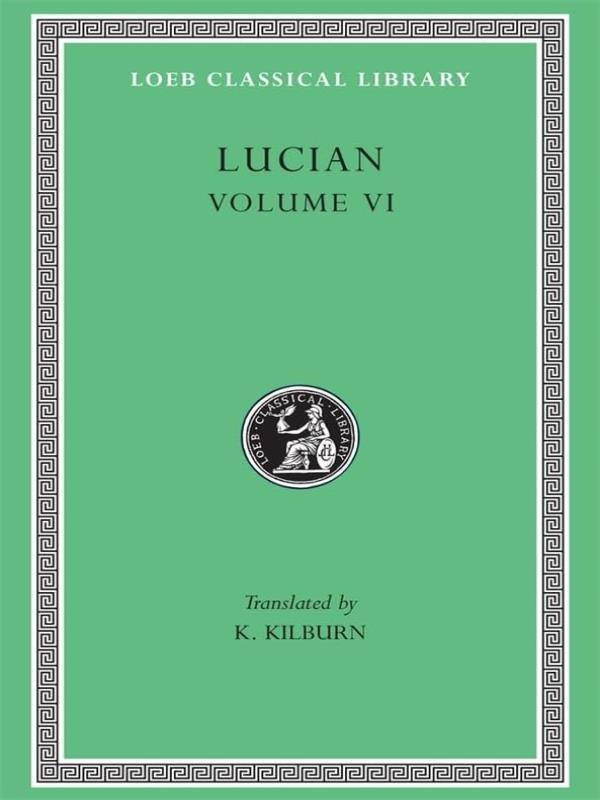
Lucian (ca. 120-190 AD), the satirist from Samosata on the Euphrates, started as an apprentice sculptor, turned to rhetoric and visited Italy and Gaul as a successful travelling lecturer, before settling in Athens and developing his original brand of satire. Late in life he fell on hard times and accepted an official post in Egypt. Although notable for the Attic purity and elegance of his Greek and his literary versatility, Lucian is chiefly famed for the lively, cynical wit of the humorous dialogues in which he satirises human folly, superstition and hypocrisy. His aim was to amuse rather than to instruct. Among his best works are A True Story (the tallest of tall stories about a voyage to the moon), Dialogues of the Gods (a 'reductio ad absurdum' of traditional mythology), Dialogues of the Dead (on the vanity of human wishes), Philosophies for Sale (great philosophers of the past are auctioned off as slaves), The Fisherman (the degeneracy of modern philosophers), The Carousal or Symposium (philosophers misbehave at a party), Timon (the problems of being rich), Twice Accused (Lucian's defence of his literary career) and (if by Lucian) The Ass (the amusing adventures of a man who is turned into an ass). The Loeb Classical Libraryedition of Lucian is in eight volumes.
Outros livros de Lucian
Livros na mesma categoria
Dicas e recomendações para leitores
CEOs leem em média 60 livros por ano. Coincidência? A leitura desenvolve habilidades que nenhum curso online consegue: pensamento crítico, empatia e comunicação.
Da Jane Austen ao romance brasileiro contemporâneo, o gênero que mais vende e mais une pessoas ao redor de histórias de amor. Uma seleção para quem quer sentir tudo.
A guerra entre o papel e a tela não tem um vencedor único, depende do leitor e do contexto. Conheça os prós e contras de cada formato e como tirar o melhor dos dois.
Para escolas, universidades, autores e editoras