
Como presentear livros sem errar: um guia para acertar sempre
Dar um livro de presente é um ato de intimidade, você está dizendo "eu conheço você". Mas errar é fácil. Veja como acertar na escolha e surpreender quem você ama.
Crie uma conta gratuita e continue exatamente desta página.
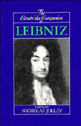
Gottfried Wilhelm Leibniz (1646-1716) was hailed by Bertrand Russell as "one of the supreme intellects of all time." A towering figure in Seventeenth century philosophy, his complex thought has been championed and satirized in equal measure, most famously in Voltaire's Candide. In this outstanding introduction to his philosophy, Nicholas Jolley introduces and assesses the whole of Leibniz's philosophy. Beginning with an introduction to Leibniz's life and work, he carefully introduces the core elements of Leibniz's metaphysics: his theories of substance, identity and individuation; monads and space and time; and his important debate over the nature of space and time with Newton's champion, Samuel Clarke. He then introduces Leibniz's theories of mind, knowledge, and innate ideas, showing how Lenin anticipated the distinction between conscious and unconscious states, before examining his theory of free will and the problem of evil. An important feature of the book is its introduction to Leibniz'smoral and political philosophy, an overlooked aspect of his work. The final chapter assesses legacy and the impact of his philosophy on philosophy as a whole, particularly on the work of Immanuel Kant. Throughout, Nicholas Jolley placesLeninin relation to some of the other great philosophers, such as Descartes, Spinoza and Locke, and discusses Leibniz's key works, such as the Monadology and Discourse on Metaphysics.
Outros livros de Nicholas Jolley
Livros na mesma categoria
Dicas e recomendações para leitores
Dar um livro de presente é um ato de intimidade, você está dizendo "eu conheço você". Mas errar é fácil. Veja como acertar na escolha e surpreender quem você ama.
Para entender o Brasil de hoje, é preciso conhecer o Brasil de ontem. Uma seleção dos livros de história que mais iluminam nossas raízes, contradições e possibilidades.
De 1984 a Jogos Vorazes, a ficção distópica é o gênero que mais acerta sobre o futuro. Uma análise de como esses livros moldaram o debate político e social.
Para escolas, universidades, autores e editoras