
Por que alunos que leem mais vão melhor em todas as matérias
Não é intuição, é ciência: o hábito de leitura correlaciona com melhor desempenho em matemática, ciências e redação. Veja o que a pesquisa comprova e o que a escola pode fazer.
Crie uma conta gratuita e continue exatamente desta página.
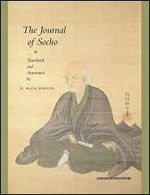
'The Journal of Socho' is one of the most individual self-portraits in the literary history of medieval Japan. Its author, Saiokuken Socho (1448-1532) - the preeminent linked-verse (renga) poet of his time - was an eyewitness to Japan's violent transition from the medieval to the early modern age. Written between 1522 and 1527, during the Age of the Country at War (Sengoku jidai), his journal provides a vivid portrayal of cultural life in the capital and in the provinces, together with descriptions of battles and great warrior families, the dangers of travel through war-torn countryside, and the plight of the poor. The journal records four of Socho's journeys between Kyoto and Suruga Province, where he served as the poet laureate of the Imagawa house, as well as several shorter excursions and periods of rest at various hermitages. The diverse upbringing of its author - a companion of nobles and warlords, a student of the orthodox poetic neoclassicism of the renga master Sogi, and a devotee of the iconoclastic Zen prelate Ikkyu - afforded him rich insights into the cultural life of the period. The Journal of Socho is remarkable for its breadth and freshness of observation, whether of the activities of literary men and the affairs of great courtiers and daimyo or of the daily lives of local warriors and commoners. This variety of cultural detail is matched by the journal's wealth of prose genres: travel diary, eremitic writing, historical chronicle, conversation, and correspondence. In addition, Socho has given us more than 600 verses that together illustrate most of the principal poetic genres of the time: renga, waka, choka, wakan renku, and comic or unorthodox haikai verses.
Livros na mesma categoria
Dicas e recomendações para leitores
Não é intuição, é ciência: o hábito de leitura correlaciona com melhor desempenho em matemática, ciências e redação. Veja o que a pesquisa comprova e o que a escola pode fazer.
Leitura dinâmica não é mito, mas a maioria das técnicas vendidas por aí são. Veja o que realmente funciona para aumentar sua velocidade de leitura com base em ciência cognitiva.
Algoritmos de recomendação, chatbots literários, resumos automáticos, a IA está mudando a relação das pessoas com os livros. O que muda para bem, o que preocupa e o que vem a seguir.
Para escolas, universidades, autores e editoras