Por que alunos que leem mais vão melhor em todas as matérias
Não é intuição, é ciência: o hábito de leitura correlaciona com melhor desempenho em matemática, ciências e redação. Veja o que a pesquisa comprova e o que a escola pode fazer.
Crie uma conta gratuita e continue exatamente desta página.
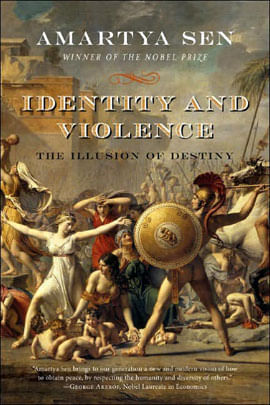
Nobel Prize winning economist Sen deplores the "little boxes" that divide us in this high-minded but seldom penetrating brief against identity politics. Sen observes that ideologies of hate typically slot people into communities based on a single dimension that trumps the multifaceted affinities of class, sex, politics and personal interest that make up individual identities. This "reductionist" us-versus-them outlook is not limited to jihadists, he argues, but is a widespread intellectual tendency seen in Samuel Huntington's "clash of civilizations" paradigm, in postcolonial critiques of democracy and rationalism as "Western" ideals, as well as in efforts to "dialogue" with moderate Muslims. (These last, he feels, pigeonhole Muslims in purely religious terms.) Sen rebuts the "singular affiliation" falsehood with a cursory historical, literary and cultural survey of the diversity of supposedly monolithic civilizations (Akbar, a 16th-century Mughal emperor and champion of religious toleration, is a favorite citation.) Sen's previous work (Development as Freedom) injected liberal values into development economics; here, he argues that the freedom to choose one's identity affiliations is the antidote to divisive extremism. Stitched together from lectures, the book is dry and repetitive. While Sen's defense of humane pluralism against narrow-minded communalism is laudable, he never really elucidates the social psychology that translates group identity into violence.
Outros livros de Amartya Sen
Livros na mesma categoria
Dicas e recomendações para leitores
Não é intuição, é ciência: o hábito de leitura correlaciona com melhor desempenho em matemática, ciências e redação. Veja o que a pesquisa comprova e o que a escola pode fazer.
A guerra entre o papel e a tela não tem um vencedor único, depende do leitor e do contexto. Conheça os prós e contras de cada formato e como tirar o melhor dos dois.
Boa biografia não é cronologia de vida, é imersão numa mente. Uma seleção das biografias mais absurdamente envolventes, que você devora sem perceber que está aprendendo história.
Para escolas, universidades, autores e editoras