Por que alunos que leem mais vão melhor em todas as matérias
Não é intuição, é ciência: o hábito de leitura correlaciona com melhor desempenho em matemática, ciências e redação. Veja o que a pesquisa comprova e o que a escola pode fazer.
Crie uma conta gratuita e continue exatamente desta página.
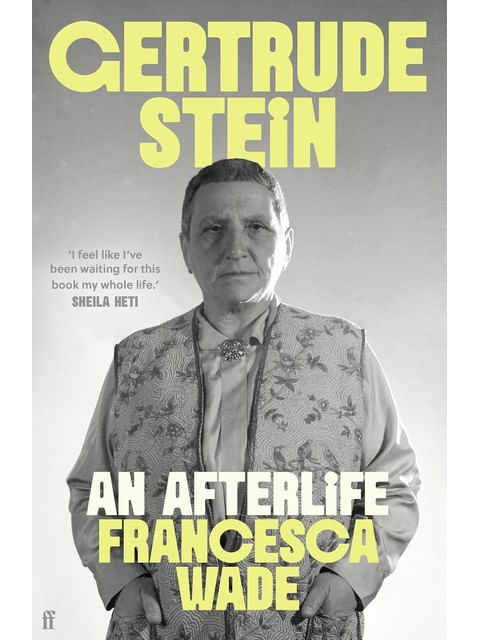
Think of the Bible and Homer, think of Shakespeare and think of me,' wrote Gertrude Stein in 1936. Admirers called her a genius, sceptics a charlatan: she remains one of the most confounding - and contested - writers of the twentieth century. In this literary detective story, Francesca Wade delves into the creation of the Stein myth. We see her posing for Picasso's portrait; at the centre of Bohemian Parisian life hosting the likes of Matisse and Hemingway; racing through the French countryside with her enigmatic companion Alice B. Toklas; dazzling American crowds on her sell-out tour for her sensational Autobiography - a veritable celebrity. Yet Stein hoped to be remembered not for her personality but for her work. From her deathbed, she charged her partner with securing her place in literary history. How would her legend shift once it was Toklas's turn to tell the stories - especially when uncomfortable aspects of their past emerged from the archive? Using astonishing never-before-seen material, Wade uncovers the origins of Stein's radical writing, and reveals new depths to the storied relationship which made it possible. This is Gertrude Stein as she was when nobody was watching: captivating, complex and human.
Outros livros de Francesca Wade
Livros na mesma categoria
Dicas e recomendações para leitores
Não é intuição, é ciência: o hábito de leitura correlaciona com melhor desempenho em matemática, ciências e redação. Veja o que a pesquisa comprova e o que a escola pode fazer.
A maioria das pessoas acha que não entende poesia. Mas poesia não precisa ser entendida como uma equação, precisa ser sentida. Um guia honesto para quem quer dar uma chance ao gênero.
A guerra entre o papel e a tela não tem um vencedor único, depende do leitor e do contexto. Conheça os prós e contras de cada formato e como tirar o melhor dos dois.
Para escolas, universidades, autores e editoras