



Pular para o conteúdo
Arquitetura e Urbanismo

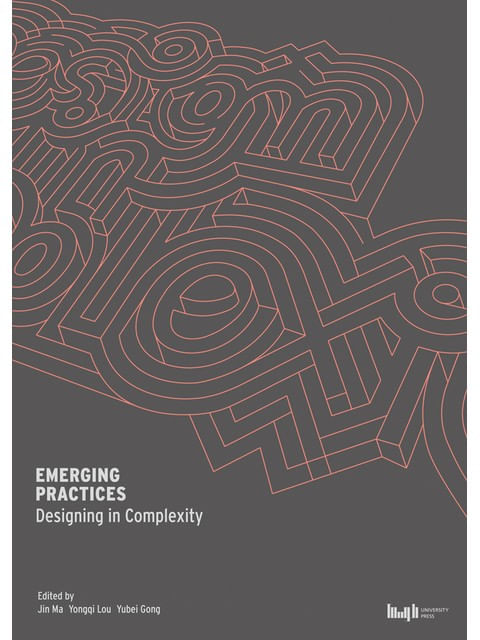
Emerging Practices

Designing In Complexity

1ª Edição - 2019284 páginasTongji University Pressen
Seja o primeiro a avaliar
Sua leitura no Lireo

Guarde este livro na sua estante

Crie uma conta gratuita e continue exatamente desta página.

Registre seu progresso de leitura
Descubra outros leitores do mesmo livro
Participe de clubes de leitura
Organize toda sua biblioteca

Sinopse

In 2009, the College of Design and Innovation, Tongji University was established. The transition from a former Art and Design Department - steeped in the Bauhaus tradition - to an independent school named Design and Innovation attests to the university s vision to move design education and research beyond an artefact-centred crafts tradition and toward a design discipline that drives innovation at the intersection of business, technology, and the humanities. Every autumn since 2012, the Tongji Unversity College of Design and Innovation has organised a small design research and education conference titled Emerging Practices . The Emerging Practices Conference (EPC) witnesses the developing trajectory of design as a discipline in a Chinese design school that is grounded in thinking and practice addressing local issues and is in the meanwhile actively connected globally. A small group of design scholars and educators, who gathered at the EPC in 2014, announced their intention to explore how design can address the complex issues the world faces today. They called their agenda DesignX using X to refer to the turbulent, unknown future of design. The initial DesignX Manifesto has triggered a deeper interest in asking how designers could play a role in designing for complex sociotechnical systems. This anthology selected viewpoint essays and cases, presented at the EPC 2016, as a preliminary endeavour to understand the challenges and opportunities of designing in such complex systems as healthcare, education, public sector innovation, food and culture, and so on. It is inspiring to see that our drive to reform design education and research - and situate design within a shifting social, economic, and technological context - has attracted the attention and participation of a wider community. Our common challenges arise out of a need to reform design education, bridge design research and practice, design for social well-being, and target sustainability on a planet with limited resources. Contents: Introduction; Viewpoints; Globalization, and the Effective Supply of Design Education; Design and the Economy of Choice; The Expanding Scope and Paradigm Shift of Design; Making Things Happen; The Ethics of Ignoring Rashomon; Chicken Run; Information Visualization; Design, Work, and Intelligence Cases; Embedding Designers in Government Innovation Teams; Policy Design to Improve the Delivery of Old Age Security in Canada for Vulnerable Seniors; Design Research and Practice for the Public Good; Movable Feasts; Design for Human-Robot Acceptability; DREAM Complexity.

Planeje no seu ritmo

Quanto tempo leva para ler Emerging Practices?

Esta edição tem 284 páginas. Escolha uma meta diária possível e ajuste o plano conforme a leitura avançar.

Ritmo tranquilo

29 dias

10 páginas por dia

Ritmo constante

15 dias

20 páginas por dia

Ritmo intenso

10 dias

30 páginas por dia

Detalhes do livro

Título
Emerging Practices
Editora
Tongji University Press
Ano
2019
Páginas
284 páginas
Idioma
EN
ISBN-13
9787560878751
Edição
1ª Edição - 2019
Formato
Paperback

Arquitetura e Urbanismo

Livros na mesma categoria

Sua vida de leitura

A leitura de Emerging Practices pode continuar na Lireo

A Lireo é uma plataforma para organizar sua estante, registrar páginas e impressões, publicar resenhas e encontrar pessoas que estão lendo os mesmos livros.

Blog Lireo

Dicas e recomendações para leitores

Soluções institucionais

Para escolas, universidades, autores e editoras