
Filosofia para quem não é filósofo: os melhores livros para começar
A filosofia parece intimidadora, mas suas perguntas são as mais humanas que existem. Uma seleção de livros que tornam o pensamento filosófico acessível, relevante e fascinante.
Crie uma conta gratuita e continue exatamente desta página.
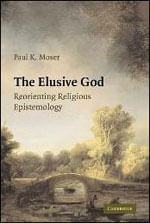
Three questions motivate this book's account of evidence for the existence of God. First, if God's existence is hidden, why suppose He exists at all? Second, if God exists, why is He hidden, particularly if God seeks to communicate with people? Third, what are the implications of divine hiddenness for philosophy, theology, and religion's supposed knowledge of God? This book answers these questions on the basis of a new account of evidence and knowledge of divine reality that challenges skepticism about God's existence. The central thesis is that we should expect evidence of divine reality to be purposively available to humans, that is, available only in a manner suitable to divine purposes in self-revelation. This lesson generates a seismic shift in our understanding of evidence and knowledge of divine reality. The result is a needed reorienting of religious epistemology to accommodate the character and purposes of an authoritative, perfectly loving God.
Outros livros de Paul K. Moser
Livros na mesma categoria
Dicas e recomendações para leitores
A filosofia parece intimidadora, mas suas perguntas são as mais humanas que existem. Uma seleção de livros que tornam o pensamento filosófico acessível, relevante e fascinante.
O aluno que lê por obrigação raramente vira leitor. Mas há formas de apresentar a leitura escolar que mudam essa equação. Veja o que a pesquisa diz e como professores estão fazendo diferente.
Uma boa resenha vai muito além de "gostei" ou "não gostei". Aprenda a estruturar sua análise, destacar o que importa e compartilhar sua leitura de forma que inspire outros.
Para escolas, universidades, autores e editoras