Filosofia para quem não é filósofo: os melhores livros para começar
A filosofia parece intimidadora, mas suas perguntas são as mais humanas que existem. Uma seleção de livros que tornam o pensamento filosófico acessível, relevante e fascinante.
Crie uma conta gratuita e continue exatamente desta página.
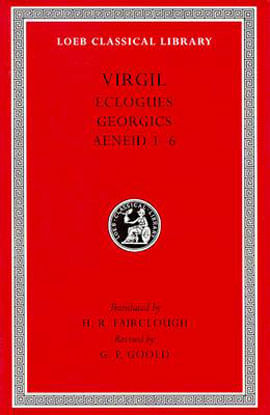
Virgil (Publius Vergilius Maro) was born in 70 BC near Mantua and was educated at Cremona, Milan and Rome. Slow in speech, shy in manner, thoughtful in mind, weak in health, he vent back north for a quiet life. Influenced by the group of poets there, he may have written some of the doubtful poems included in our Virgilian manuscripts. All his undoubted extant work is written in his perfect hexameters. Earliest comes the collection of ten pleasingly artificial bucolic poems, the Eclogues, which imitated freely Theocritus' idylls. They deal with pastoral life and love. Before 29 BC came one of the best of all didactic works, the four hooks of Georgics on tillage, trees, cattle, and bees. Virgil's remaining years were spent in composing his great, not wholly finished, epic the Aeneid, on the traditional theme of Rome's origins through Aeneas of Troy. Inspired by the Emperor Augustus' rule, the poem is Homeric in metre and method but influenced also by later Greek and Roman literature, philosophy, and learning, and deeply Roman in spirit. Virgil died in 19 BC at Brundisium on his way home from Greece, where he had intended to round off the Aeneid. He had left in Rome a request that all its twelve books should be destroyed if he were to die then, but they were published by the executors of his will.
Outros livros de Virgilio
Livros na mesma categoria
Dicas e recomendações para leitores
A filosofia parece intimidadora, mas suas perguntas são as mais humanas que existem. Uma seleção de livros que tornam o pensamento filosófico acessível, relevante e fascinante.
O aluno que lê por obrigação raramente vira leitor. Mas há formas de apresentar a leitura escolar que mudam essa equação. Veja o que a pesquisa diz e como professores estão fazendo diferente.
A ficção científica não é sobre foguetes e robôs, é sobre o que nos torna humanos diante do desconhecido. Um guia pelos subgêneros, clássicos imperdíveis e como entrar no universo.
Para escolas, universidades, autores e editoras