

Por que alunos que leem mais vão melhor em todas as matérias
Não é intuição, é ciência: o hábito de leitura correlaciona com melhor desempenho em matemática, ciências e redação. Veja o que a pesquisa comprova e o que a escola pode fazer.
Crie uma conta gratuita e continue exatamente desta página.
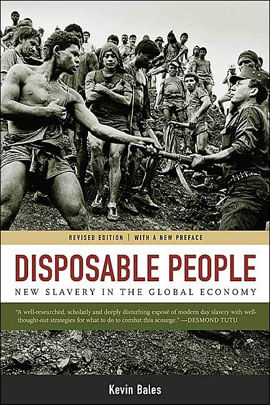
Slavery is illegal throughout the world, yet more than twenty-seven million people are still trapped in one of history's oldest social institutions. Kevin Bales's disturbing story of slavery today reaches from brick kilns in Pakistan and brothels in Thailand to the offices of multinational corporations. His investigation of conditions in Mauritania, Brazil, Thailand, Pakistan, and India reveals the tragic emergence of a "new slavery," one intricately linked to the global economy. The new slaves are not a long-term investment as was true with older forms of slavery, explains Bales. Instead, they are cheap, require little care, and are disposable. Three interrelated factors have helped create the new slavery. The enormous population explosion over the past three decades has flooded the world's labor markets with millions of impoverished, desperate people. The revolution of economic globalization and modernized agriculture has dispossessed poor farmers, making them and their families ready targets for enslavement. And rapid economic change in developing countries has bred corruption and violence, destroying social rules that might once have protected the most vulnerable individuals. Bales's vivid case studies present actual slaves, slaveholders, and public officials in well-drawn historical, geographical, and cultural contexts. He observes the complex economic relationships of modern slavery and is aware that liberation is a bitter victory for a child prostitute or a bondaged miner if the result is starvation. Bales offers suggestions for combating the new slavery and provides examples of very positive results from organizations such as Anti-Slavery International, the PastoralLand Commission in Brazil, and the Human Rights Commission in Pakistan. He also calls for researchers to follow the flow of raw materials and products from slave to marketplace in order to effectively target campaigns of "naming and shaming" corporations linked to slavery.
Planeje no seu ritmo
Esta edição tem 324 páginas. Escolha uma meta diária possível e ajuste o plano conforme a leitura avançar.
Ritmo tranquilo
33 dias
10 páginas por dia
Ritmo constante
17 dias
20 páginas por dia
Ritmo intenso
11 dias
30 páginas por dia
Livros na mesma categoria
Sua vida de leitura
A Lireo é uma plataforma para organizar sua estante, registrar páginas e impressões, publicar resenhas e encontrar pessoas que estão lendo os mesmos livros.
Dicas e recomendações para leitores
Não é intuição, é ciência: o hábito de leitura correlaciona com melhor desempenho em matemática, ciências e redação. Veja o que a pesquisa comprova e o que a escola pode fazer.
Ciência confirma: ler regularmente melhora a memória, reduz o estresse e aumenta a empatia. Veja o que a pesquisa diz e como incorporar a leitura na sua rotina.
Você começa a ler com entusiasmo e para depois de uma semana. Conheça a ciência por trás da formação de hábitos e as estratégias práticas para finalmente fazer a leitura grudar.
Para escolas, universidades, autores e editoras