







Por que alunos que leem mais vão melhor em todas as matérias
Não é intuição, é ciência: o hábito de leitura correlaciona com melhor desempenho em matemática, ciências e redação. Veja o que a pesquisa comprova e o que a escola pode fazer.
Crie uma conta gratuita e continue exatamente desta página.
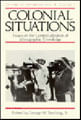
The relation of anthropology to colonialism and imperialism became a burning issue for anthropologists in the mid-1960s. As European colonies in Asia and Africa became independent nations, as the United States engaged in war in Southeast Asia and in covert operations in South America, anthropologists questioned their interactions with their subjects and worried about the political consequences of government-supported research. By 1970, some spoke of anthropology as "the child of Western imperialism" and as "scientific colonialism." Ironically, as the link between anthropology and colonialism became more widely accepted within the discipline, serious interest in examining the history of anthropology in colonial contexts diminished.This volume is an effort to initiate a critical historical consideration of the varying "colonial situations" in which (and out of which) ethnographic knowledge essential to anthropology has been produced. The essays comment on ethnographic work from the middle of the nineteenth century to nearly the end of the twentieth, in regions from Oceania through southeast Asia, the Andaman Islands, and southern Africa to North and South America. The "colonial situations" also cover a broad range, from first contact through the establishment of colonial power, from District Officer administrations through white settler regimes, from internal colonialism to international mandates, from early "pacification" to wars of colonial liberation, from the expropriation of land to the defense of ecology. The motivations and responses of the anthropologists discussed are equally varied: the romantic resistance of Maclay and the complicity of Kubary in early colonialism;Malinowski's salesmanship of academic anthropology; Speck's advocacy of Indian land rights; Schneider's grappling with the ambiguities of rapport; and Turner's facilitation of Kaiapo cinematic activism.
Planeje no seu ritmo
Esta edição tem 340 páginas. Escolha uma meta diária possível e ajuste o plano conforme a leitura avançar.
Ritmo tranquilo
34 dias
10 páginas por dia
Ritmo constante
17 dias
20 páginas por dia
Ritmo intenso
12 dias
30 páginas por dia
Outros livros de George W. Stocking
Livros na mesma categoria
Sua vida de leitura
A Lireo é uma plataforma para organizar sua estante, registrar páginas e impressões, publicar resenhas e encontrar pessoas que estão lendo os mesmos livros.
Dicas e recomendações para leitores
Não é intuição, é ciência: o hábito de leitura correlaciona com melhor desempenho em matemática, ciências e redação. Veja o que a pesquisa comprova e o que a escola pode fazer.
Ciência confirma: ler regularmente melhora a memória, reduz o estresse e aumenta a empatia. Veja o que a pesquisa diz e como incorporar a leitura na sua rotina.
Você começa a ler com entusiasmo e para depois de uma semana. Conheça a ciência por trás da formação de hábitos e as estratégias práticas para finalmente fazer a leitura grudar.
Para escolas, universidades, autores e editoras