

Como ler clássicos da literatura sem sofrer
Clássicos intimidam. Linguagem difícil, contexto histórico distante, narrativa lenta. Mas há estratégias que tornam essa leitura não só suportável, mas prazerosa. Guia prático para iniciantes.
Crie uma conta gratuita e continue exatamente desta página.
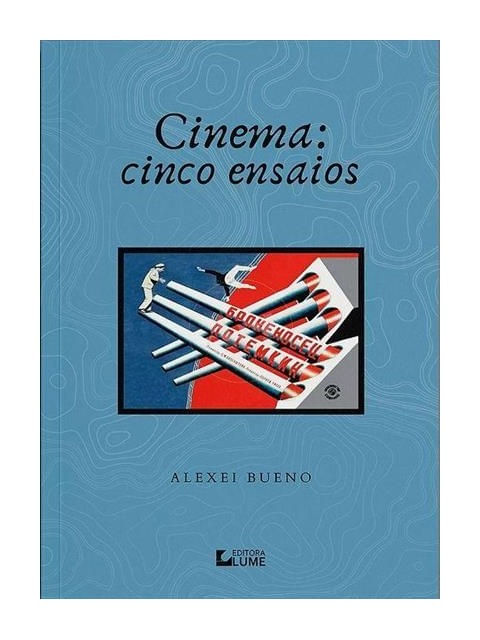
It has been said that all cinema is a special effect. In this highly original examination of time in film Sean Cubitt tries to get at the root of the uncanny effect produced by images and sounds that don't quite align with reality. What is it that cinema does? Cubitt proposes a history of images in motion from a digital perspective, for a digital audience. From the viewpoint of art history, an image is discrete, still. How can a moving image - constructed from countless constituent images - even be considered an image? And where in time is an image in motion located? Cubitt traces the complementary histories of two forms of the image/motion relationship - the stillness of the image combined with the motion of the body (exemplified by what Cubitt calls the 'protocinema of railway travel') and the movement of the image combined with the stillness of the body (exemplified by melodrama and the magic lantern). He argues that the magic of cinema arises from the intertwining relations between different kinds of movement, different kinds of time, and different kinds of space. He begins with a discussion of 'pioneer cinema', focusing on the contributions of French cinematic pioneers in the late nineteenth and early twentieth centuries.He then examines the sound cinema of the 1930s, examining film effects in works by Eisenstein, Jean Renoir, and Hollywood's RKO studio. Finally he considers what he calls 'post cinema', examining the postwar development of the "spatialization" of time through slow motion, freeze-frame, and steadi-cam techniques. Students of film will find Cubitt's analyses of noncanonical films like Sam Peckinpah's Pat Garrett and Billy the Kid as enlightening as his fresh takes on such classics as Renoir's Rules of the Game.
Planeje no seu ritmo
Esta edição tem 464 páginas. Escolha uma meta diária possível e ajuste o plano conforme a leitura avançar.
Ritmo tranquilo
47 dias
10 páginas por dia
Ritmo constante
24 dias
20 páginas por dia
Ritmo intenso
16 dias
30 páginas por dia
Livros na mesma categoria
Sua vida de leitura
A Lireo é uma plataforma para organizar sua estante, registrar páginas e impressões, publicar resenhas e encontrar pessoas que estão lendo os mesmos livros.
Dicas e recomendações para leitores
Clássicos intimidam. Linguagem difícil, contexto histórico distante, narrativa lenta. Mas há estratégias que tornam essa leitura não só suportável, mas prazerosa. Guia prático para iniciantes.
Para combater o racismo, é preciso primeiro entendê-lo. Uma seleção de obras que revelam como o racismo estrutural moldou, e continua moldando, a sociedade brasileira.
A literatura brasileira produziu obras extraordinárias que dialogam com o melhor da literatura mundial. Um guia pelos clássicos essenciais, do Romantismo ao Modernismo.
Para escolas, universidades, autores e editoras