

Como recomendar livros para amigos sem arruinar a amizade
Todo leitor apaixonado já passou pela frustração: indicou um livro que mudou sua vida e a pessoa achou chato. Aprenda a recomendar de forma que realmente funciona, e preserve a amizade.
Crie uma conta gratuita e continue exatamente desta página.
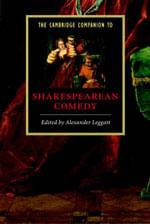
This introduction examines the continuity and variety of Shakepeare's work and the creative use he made of his inherited conventions. The first section places Shakespeare in the context of classical and Renaissance comedy, his Elizabethan predecessors and the traditions of popular festivity. The second section traces themes through Shakespeare's early and middle comedies, dark comedies and late romances, illuminating particular plays by close analysis, Contents - Preface; Chronology; Part I. Shakespeare and Comic Tradition: 1. Theories of comedy David Galbraith; 2. Roman comedy Robert S. Miola; 3. Italian stories on the stage Louis George Clubb; 4. Elizabethan comedy Janette Dillon; 5. Popular festivity François Laroque; Part II. Shakespearean Comedy: 6. Forms of confusion John Creaser; 7. Love and courtship Catherine Bates; 8. Laughing at ‘others’ Edward Berry; 9. Comedy and sex Alexander Leggatt; 10. Language and comedy Lynne Magnusson; 11. Sexual disguise and the theatre of gender Barbara Hodgdon; 12 Matters of state Anthony Miller; 13. The experiment of romance Michael O’Connell; Select bibliography.
Outros livros de Alexander Leggatt
Livros na mesma categoria
Dicas e recomendações para leitores
Todo leitor apaixonado já passou pela frustração: indicou um livro que mudou sua vida e a pessoa achou chato. Aprenda a recomendar de forma que realmente funciona, e preserve a amizade.
Ambiente importa tanto quanto disciplina para criar o hábito de leitura. Pequenas mudanças no espaço físico aumentam drasticamente o tempo que você passa com livros nas mãos.
Reler um livro que você amou parece perda de tempo quando há tanto ainda para ler. Mas a releitura revela camadas que a primeira passagem não alcança, e diz algo sobre quem você se tornou.
Para escolas, universidades, autores e editoras