






Pular para o conteúdo
Ciências Humanas

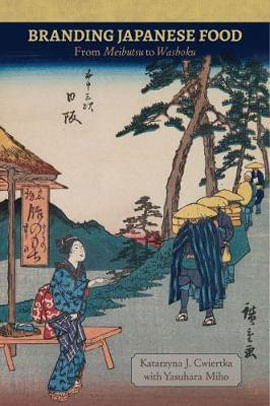
Branding Japanese Food

Ver preço na Amazon

Confira edições, preço e disponibilidade na Amazon. Link de afiliado.

1ª Edição - 2020202 páginasUniversity Of Hawaii Pressen
Seja o primeiro a avaliar
Sua leitura na Lireo

Guarde este livro na sua estante

Crie uma conta gratuita e continue exatamente desta página.

Registre seu progresso de leitura
Descubra outros leitores do mesmo livro
Participe de clubes de leitura
Organize toda sua biblioteca

Sinopse

Branding Japanese Food is the first book in English on the use of food for the purpose of place branding in Japan. At the center of the narrative is the 2013 inscription of “Washoku, traditional dietary cultures of the Japanese, notably for the celebration of New Year” on UNESCO’s Representative List of the Intangible Cultural Heritage of Humanity. The authors challenge the very definition of washoku as it was presented in the UNESCO nomination, and expose the multitude of contradictions and falsehoods used in the promotion of Japanese cuisine as part of the nation-branding agenda. Cwiertka and Yasuhara argue further that the manipulation of historical facts in the case of washoku is actually a continuation of similar practices employed for centuries in the branding of foods as iconic markers of tourist attractions. They draw parallels with gastronomic meibutsu (famous products) and edible omiyage (souvenirs), which since the early modern period have been persistently marketed through questionable connections with historical personages and events. Today, meibutsu and omiyage play a central role in the travel experience in Japan and comprise a major category in the practices of gift exchange. Few seem to mind that the stories surrounding these foods are hardly ever factual, despite the fact that the stories, rather than the food itself, constitute the primary attraction. The practice itself is derived from the intellectual exercise of evoking specific associations and sentiments by referring to imaginary landscapes, known as utamakura or meisho. At first restricted to poetry, this exercise was expanded to the visual arts, and by the early modern period familiarity with specific locations and the culinary associations they evoked had become a fixed component of public collective knowledge. The construction of the myths of meibutsu, omiyage, and washoku as described in this book not only enriches the understanding of Japanese culinary culture, but also highlights the dangers of tweaking history for branding purposes, and the even greater danger posed by historians remaining silent in the face of this irreversible reshaping of the past into a consumable product for public enjoyment.

Planeje no seu ritmo

Quanto tempo leva para ler Branding Japanese Food?

Esta edição tem 202 páginas. Escolha uma meta diária possível e ajuste o plano conforme a leitura avançar.

Ritmo tranquilo

21 dias

10 páginas por dia

Ritmo constante

11 dias

20 páginas por dia

Ritmo intenso

7 dias

30 páginas por dia

Detalhes do livro

Título
Branding Japanese Food
Autor
Katarzyna J. Cwiertka
Editora
University Of Hawaii Press
Ano
2020
Páginas
202 páginas
Idioma
EN
ISBN-13
9780824881221
Edição
1ª Edição - 2020
Formato
Hardcover

Ciências Humanas

Livros na mesma categoria

Sua vida de leitura

A leitura de Branding Japanese Food pode continuar na Lireo

A Lireo é uma plataforma para organizar sua estante, registrar páginas e impressões, publicar resenhas e encontrar pessoas que estão lendo os mesmos livros.

Blog Lireo

Dicas e recomendações para leitores

Soluções institucionais

Para escolas, universidades, autores e editoras