






Por que alunos que leem mais vão melhor em todas as matérias
Não é intuição, é ciência: o hábito de leitura correlaciona com melhor desempenho em matemática, ciências e redação. Veja o que a pesquisa comprova e o que a escola pode fazer.
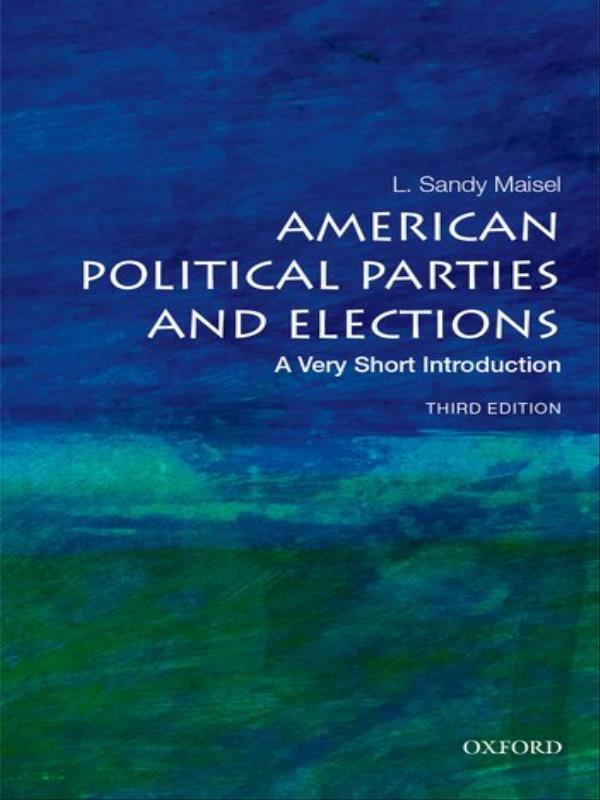
A Very Short Introduction
Crie uma conta gratuita e continue exatamente desta página.
Few Americans and even fewer citizens of other nations understand the electoral process in the United States. Still fewer understand the role played by political parties in the electoral process or the ironies within the system. Participation in elections in the United States is much lower than in the vast majority of mature democracies. Perhaps this is because of the lack of competition in a country where only two parties have a true chance of winning, despite the fact that a large number of citizens claim allegiance to neither and think badly of both. Or perhaps it is because in the U.S. campaign contributions disproportionately favor incumbents in most legislative elections, or that largely unregulated groups such as the now notorious 527 organizations have as much impact on the outcome of a campaign as do the parties or the candidates' campaigns. For instance, in two of the last six presidential elections, the winner of the popular vote lost the election in the Electoral College; in two others, a change of fewer than 100,000 votes in selected states would have led to the same result. These factors offer a very clear picture of the problems that underlie our much trumpeted electoral system. The third edition of this Very Short Introduction analyzes these issues and more. Accounting for changes in electoral coalitions and the extent to which the American electorate is polarized in the wake of Donald Trump, L. Sandy Maisel explains how the system actually works while shining a light on some of its flaws. He also looks closely at turnout questions; efforts both to ease access to the ballot in some states and to restrict access in others; and the role of social media in campaign strategy.
Planeje no seu ritmo
Esta edição tem 224 páginas. Escolha uma meta diária possível e ajuste o plano conforme a leitura avançar.
Ritmo tranquilo
23 dias
10 páginas por dia
Ritmo constante
12 dias
20 páginas por dia
Ritmo intenso
8 dias
30 páginas por dia
Livros na mesma categoria
Sua vida de leitura
A Lireo é uma plataforma para organizar sua estante, registrar páginas e impressões, publicar resenhas e encontrar pessoas que estão lendo os mesmos livros.
Dicas e recomendações para leitores
Não é intuição, é ciência: o hábito de leitura correlaciona com melhor desempenho em matemática, ciências e redação. Veja o que a pesquisa comprova e o que a escola pode fazer.
Ciência confirma: ler regularmente melhora a memória, reduz o estresse e aumenta a empatia. Veja o que a pesquisa diz e como incorporar a leitura na sua rotina.
Você começa a ler com entusiasmo e para depois de uma semana. Conheça a ciência por trás da formação de hábitos e as estratégias práticas para finalmente fazer a leitura grudar.
Para escolas, universidades, autores e editoras